Fluid Mechanics
[Turbulent] ch3 - The statistical description of turbulent flows
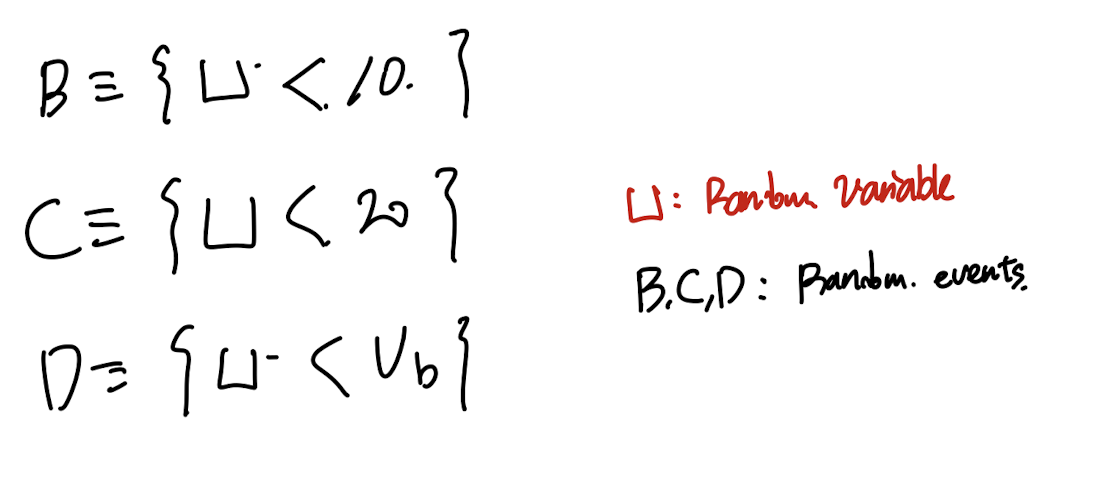
ch2에서 살펴보았던, 유체역학에서의 기본적인 용어와 governing equation 들을 이용하여 난류를 분석하기 앞서, 통계학적 개념 들도 장착해야한다. 먼저 통계학적으로 event는 다음과 같이 random varaible을
[Turbulent] ch2 - The Equation of Fluid motion
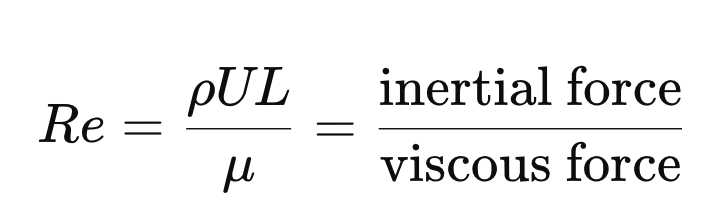
Fluid dynamics에서 Flow종류를 다양한 기준을 통해서 category를 분류한다. 그 중에서 Reynolds number 가 큰 flow를 우리는 Turbulence flow 라고 부른다. (이와 반대로 작은 flow를
[Fluid mechanics] Stress tensor_Lame's Parameters part2
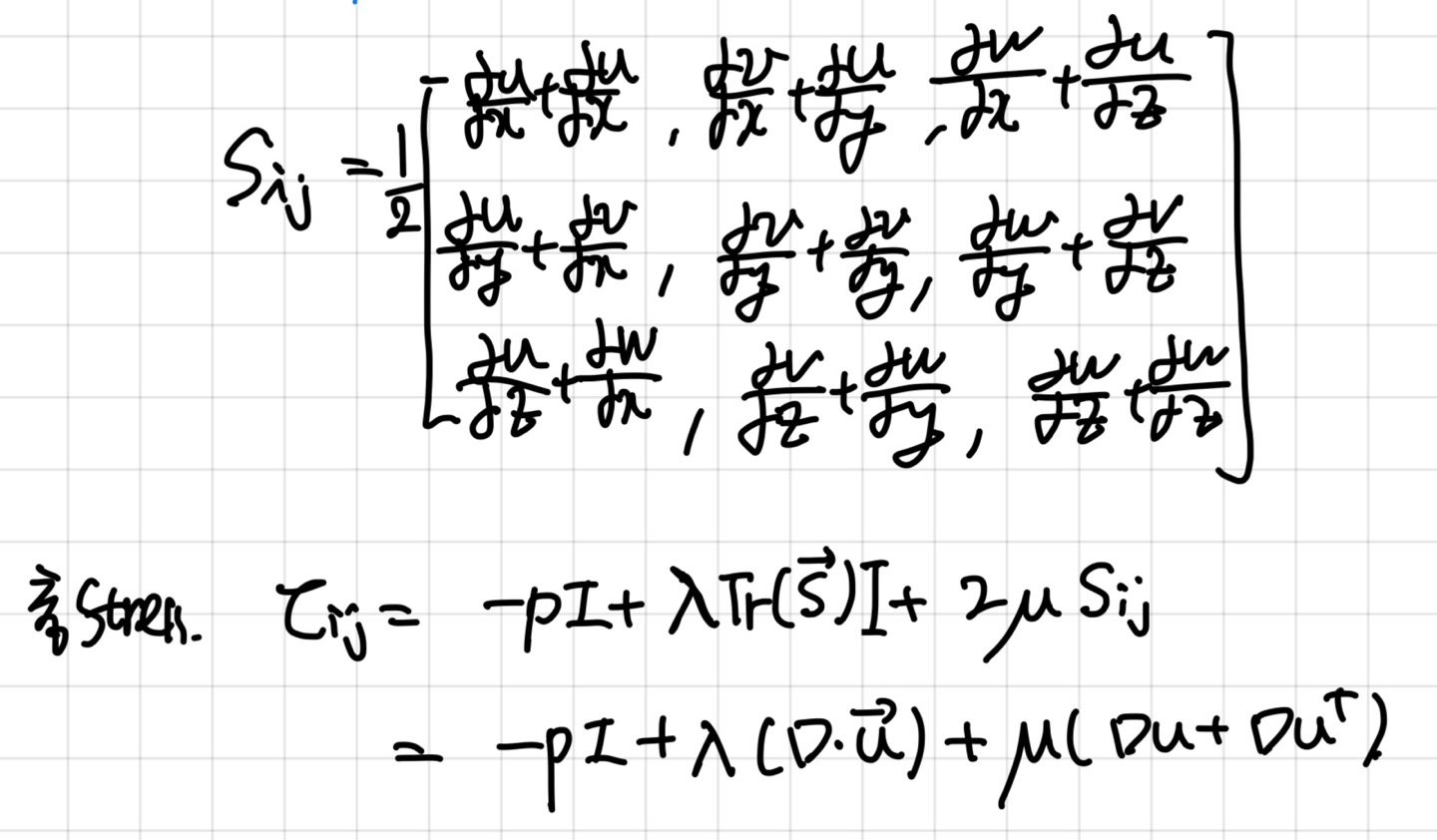
[Fluid mechanics] Stress tensor_Lame's Parameters part2 이전 포스터에서, Strain tensor를 이용하여, 유체에 작용하는 Stress 를 Lame's parameter lambda,
[Fluid mechanics] Stress tensor_Lame's Parameters
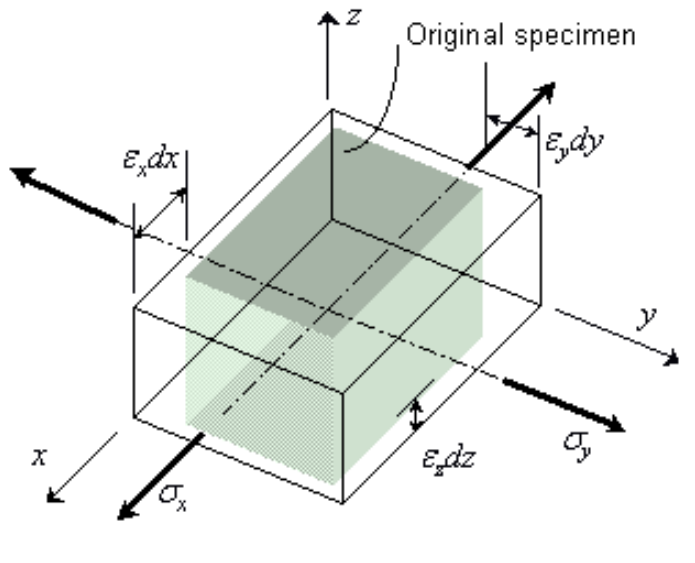
[Fluid mechanics] Stress tensor_Lame's Parameters Stress: 압력처럼, 단위면적당 가해지는 힘 그리고 그에 따라서 변형되는 정도, 고체역학 시간에 접했을 것이다. 그렇다면 이 stress를
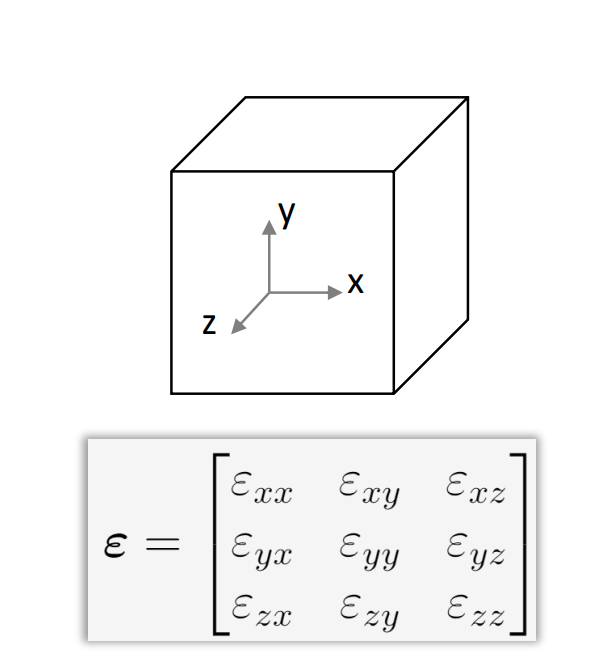
[Fluid mechanics] Strain tensor
자자, Stress tensor 에 대해서 알아보기 앞서서, 유체의 Strain 에 대해서 정확히 짚고 넘어가자. 자 유체 의 경우에는 strain이 먼저 어떻게 생기고 변할까? 먼저, 고체역학에서 배운 strain부터 확인해보자.
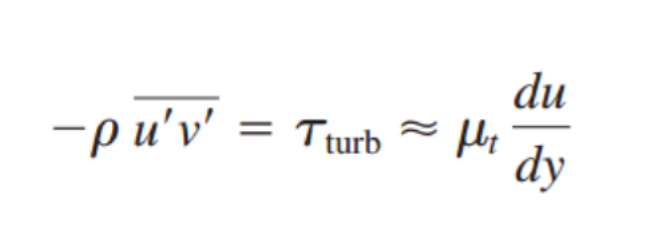
[Fluid mechanics] Reynolds Stress
난류를 유체역학, 수학자들은 어떻게 표현했을까?? https://jeffdissel.tistory.com/39 [Fluid mechanics] Ch 6. Law of the wall. 난류 Turbulence는 Randomness그
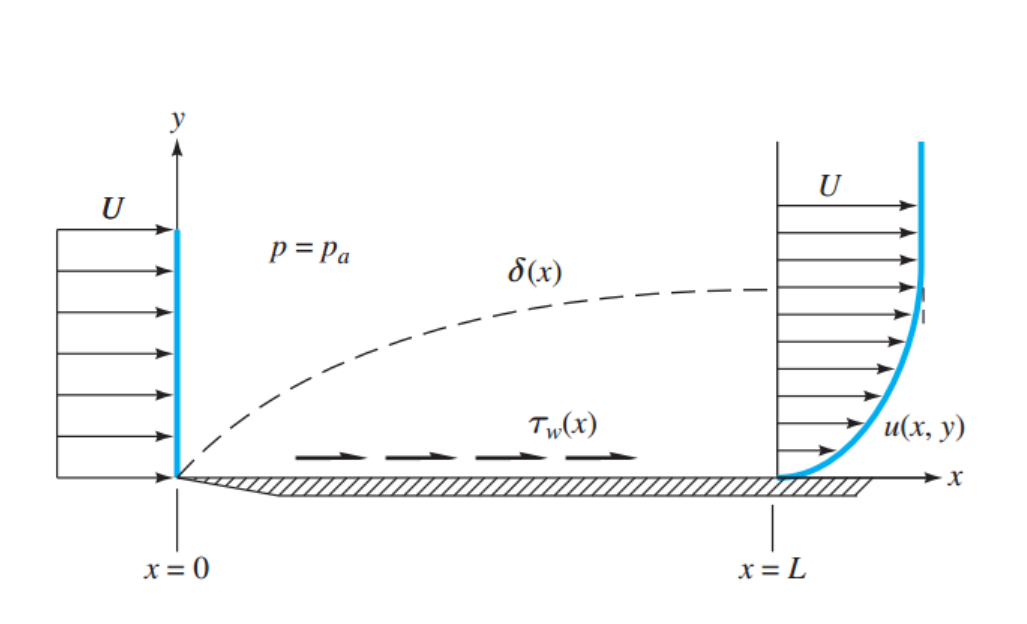
[Fluid Mechanics] Ch 7. Boundary layer Equation- Momentum Integral Relation
이전 포스터에서는 Navier's stokes equation 즉, differential equation을 통해서, Boundary layer, laminar flow를 해석했다면, 이제 Integral method를 사용해보자.
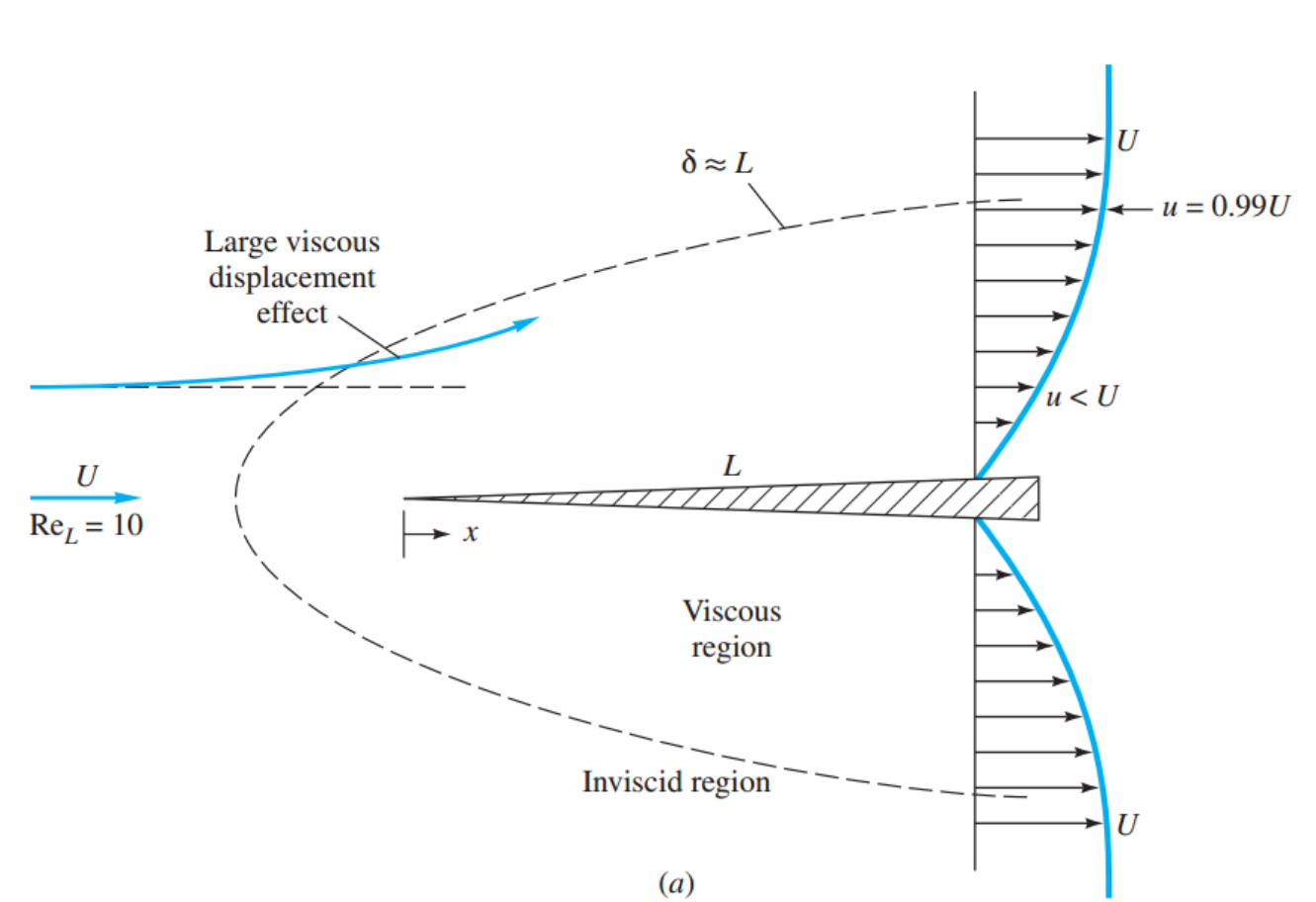
[Fluid Mechanics] Ch 7. Boundary layer Equation- Laminar, Blasius Equation.
ch7에서 우리는 유체의 Boundary layer에 대해서 다루어 보았었다. boundary layer을 간단하게 설명하자면, 어떤 유체가 고체면을 흐를때, 고체면과의 마찰력으로 인해, 고체와 유체가 만나는 면은 속도 = 0 이 된
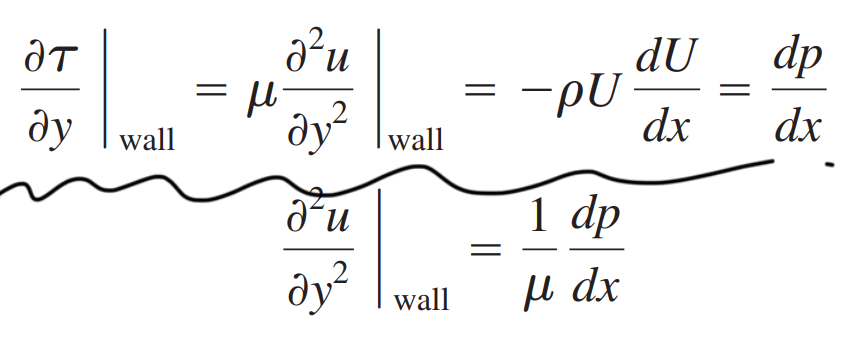
[Fluid mechanics] Ch 7. Flow past immersed bodies - flow separation
[Fluid mechanics] Ch 7. Flow past immersed bodies - flow separation 유동박리란? 유체가 어떤 wall위를 흐르고 있다고 가정하자. 그때, wall과의 마찰로 당연히 속도가 감소하며
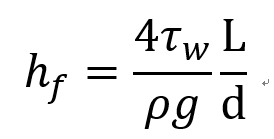
[Fluid mechanics] Ch 6. Viscous Flow in Ducts - Moody chart
지금까지 유체의 흐름을 수학적으로 어떻게 표현 할 것인지에 대해서 배워왔다. 이제 크게 Internal vs External로 두가지 환경에서 유체의 흐름을 계산해보자. Ch 6 에서는 그중에서 Internal Flow를 다룰 예정이
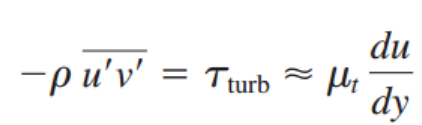
[Fluid mechanics] Ch 6. Turbulence modeling
[Fluid mechanics] Ch 6. Turbulence modeling 지난 시간 벽근처에서의 Stress에 대해서 분석해 보았다. https://jeffdissel.tistory.com/39 [Fluid mechanics]
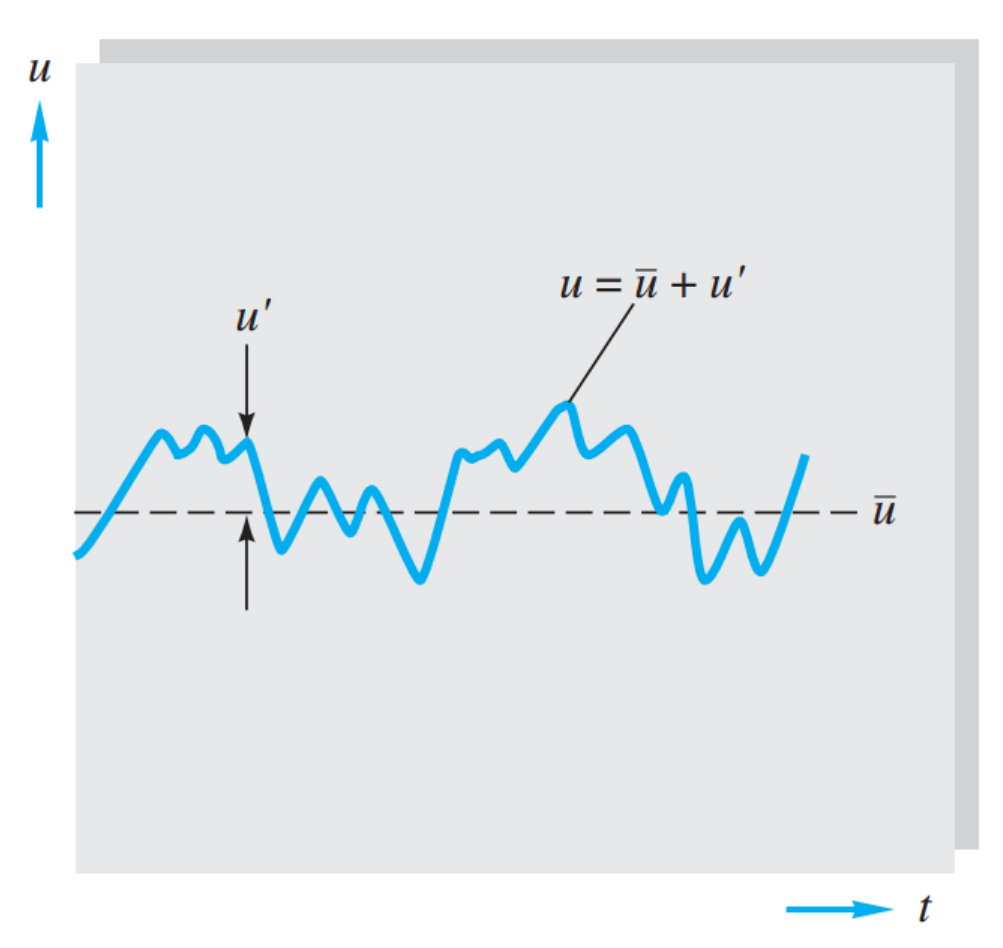
[Fluid mechanics] Ch 6. Law of the wall.
난류 Turbulence는 Randomness그 자체이다. 시간에 따라서 진폭이 일정하지 않는 그냥 랜덤한 파동의 형태를 띈다. 이를 분석하기 위해서, 과학자들은 시간평균의 개념을 가져온다. 그리고 Time mean velocity
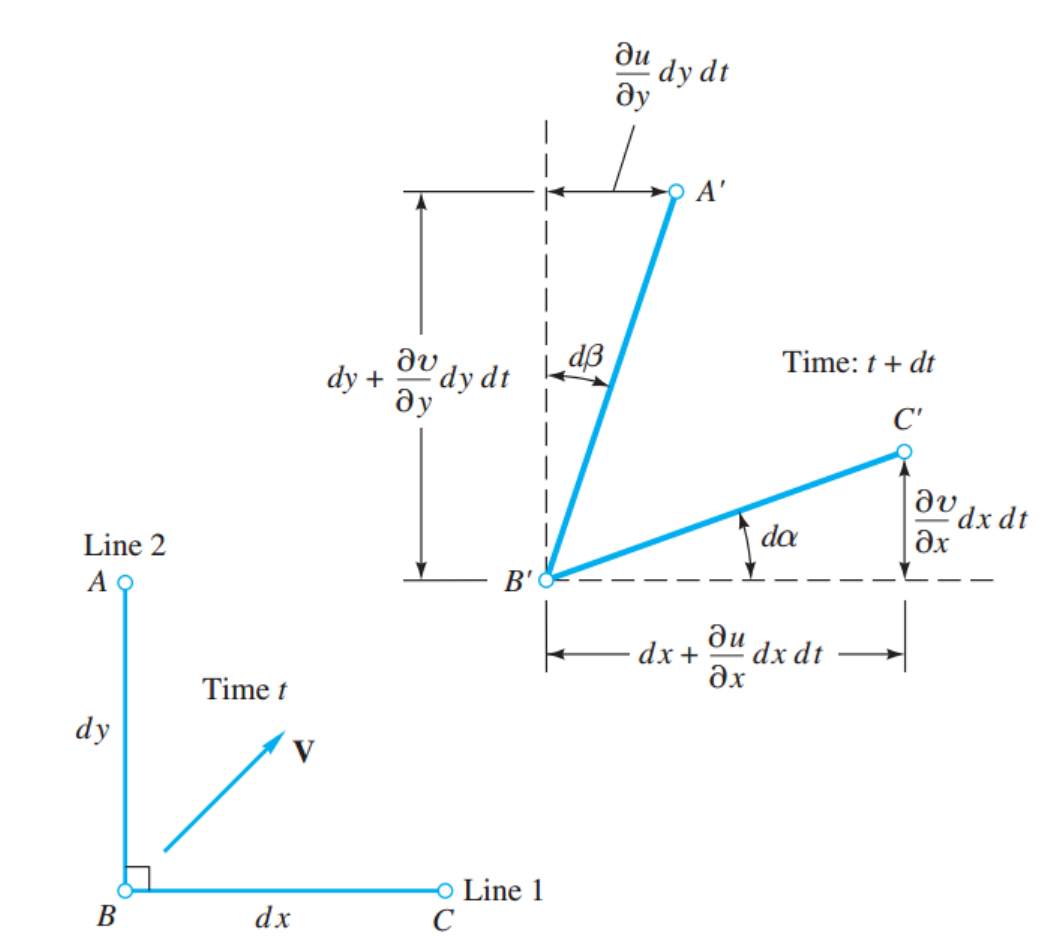
[Fluid mechanics] Ch 4. Vorticity and Irrotationality
[Fluid mechanics] Ch 4. Vorticity and Irrotationality 보통 회전이 없다고 많이 가정을 하고, 유체 문제에 접근한다. 하지만, 정확히 회전력, 회전에 관련된 유체의 움직임을 알 필요는 있다.
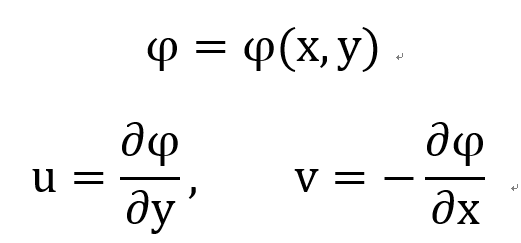
[Fluid mechanics] Ch 4. The stream function
[Fluid mechanics] Ch 4. The stream function 오늘 알아볼 것은 Stream funciton이 무엇일까?? 자 계속해서 언급하지만, 과학자들이 정의한 대에는 다 이유가 있습니다. 대부분의 이유는 편할려

[Fluid Mechanics] Ch 4. Differential Relations for fluid flow - mass conservation
[Fluid Mechanics] Ch 4. Differential Relations for fluid flow - mass conservation 지난시간 Control volume method를 이용하고 Integral method

[Fluid Mechanics] Ch 4. Differential Relations for fluid flow - Linear momentum
[Fluid Mechanics] Ch 4. Differential Relations for fluid flow - Linear momentum 지난시간, Control volume + differential relation을 이용하여

[Fluid Mechanics] Ch 3. Integral Relations for a Control Volume
C.V + Integral 을 이용하여 유체의 성질을 분석한 방법은 Reynolds transport Theorem 이었다. [증명방법은 아래 링크를 참고] https://jeffdissel.tistory.com/3 [Gas Dyna

[Fluid mechanics] #Viscous dissipation rate
[Fluid mechanics] #Viscous dissipation rate Ch4 Differential relations in fluid flow에서 Energy equation을 증명하였다. 그 과정속에서 viscous dis
No posts match your search.